
การบริหารจัดการของเสียจากกระบวนการผลิต
การบริหารจัดการของเสียจากกระบวนการผลิต
ความสำคัญและความมุ่งมั่นขององค์กร
Waste, especially hazardous waste, is a significant focus for the Company as improper handling can pose serious risks to the environment, employee health, corporate reputation, and license to operate. Recognizing these risks, the Company is committed to preventing and minimizing waste impacts by improving process efficiency, applying industry best practices and advanced technology, and ensuring strict compliance with laws and regulations.
แนวทางการบริหารจัดการ
The Company strictly follows the waste management hierarchy: prevention & minimization, reuse, recycling, other recovery operations, and disposal. Our waste management policy and standard, developed in line with international best practices and local regulations, serve as the foundation for implementation across all operations, focusing on maximizing resource utilization, minimizing waste directed to disposal, and reducing environmental impacts from incineration or landfilling.
Waste management standard is structured into 5 steps, including:
Planning: Identify sources of waste and assess their hazardous characteristics. Define appropriate management methods and evaluate opportunities for waste prevention, minimization, reuse, recycling, and other recovery operations.
Storage: Ensure that waste is stored in designated, well-maintained facilities. Regular inspections are conducted to uphold safety and environmental standards.
Transportation: Implement proper waste handling protocols and maintain full traceability throughout all stages of transportation to ensure safe and lawful movement of waste materials.
Treatment & Disposal: Maximize waste reuse, recycling, and other recovery operations. When disposal is necessary, use environmentally friendly methods and appropriate technologies to minimize impact.
Monitoring, Evaluation & Reporting: Continuously monitor and assess waste management performance to ensure compliance with applicable standards.
For externally managed waste, the Company engages only government-authorized agencies to ensure compliance with the least environmental impact in waste transportation and disposal.
The Company develops the waste process flow that maps waste generation across the value chain: upstream, own operations, and downstream. This mapping identifies waste generation points and enables strategic planning to enhance circularity measures by identifying opportunities for waste prevention.
Internal waste volumes are systematically measured, while external waste volumes are recorded through third-party reports to uphold transparency and accountability. This comprehensive approach reinforces the Company’s commitment to sustainable waste management and environmental stewardship.
ธุรกิจ
Hazardous waste
Non-Hazardous waste
Used lubricant
Coolants
Used battery
Contaminated container
Laboratory waste
Transformer
Electronic waste
Solar panel
Organic waste
General waste
Ash
Synthetic gypsum
ธุรกิจเหมือง
•
•
•
•
•
•
•
•
Thermal Power
•
•
•
•
•
•
•
•
ธุรกิจก๊าซธรรมชาติ
•
•
•
•
•
•
•
•
Renewable Power
•
•
•
•
•
•
•
•
Solar Rooftop & Floating
•
•
•
•
•
•
•
•
ธุรกิจแบตเตอรี่
•
•
•
•
•
•
•
•
ของเสียจากการทำเหมือง
Mineral waste generated from mining operations, including overburden, waste rock, and tailings, can cause significant environmental risks to soil and water if improperly managed. The Company has developed and implemented a dedicated risk assessment and waste management standard specific to mineral waste to prevent and minimize impacts. The standard covers the full lifecycle from pre-mining through the post-mining stages.
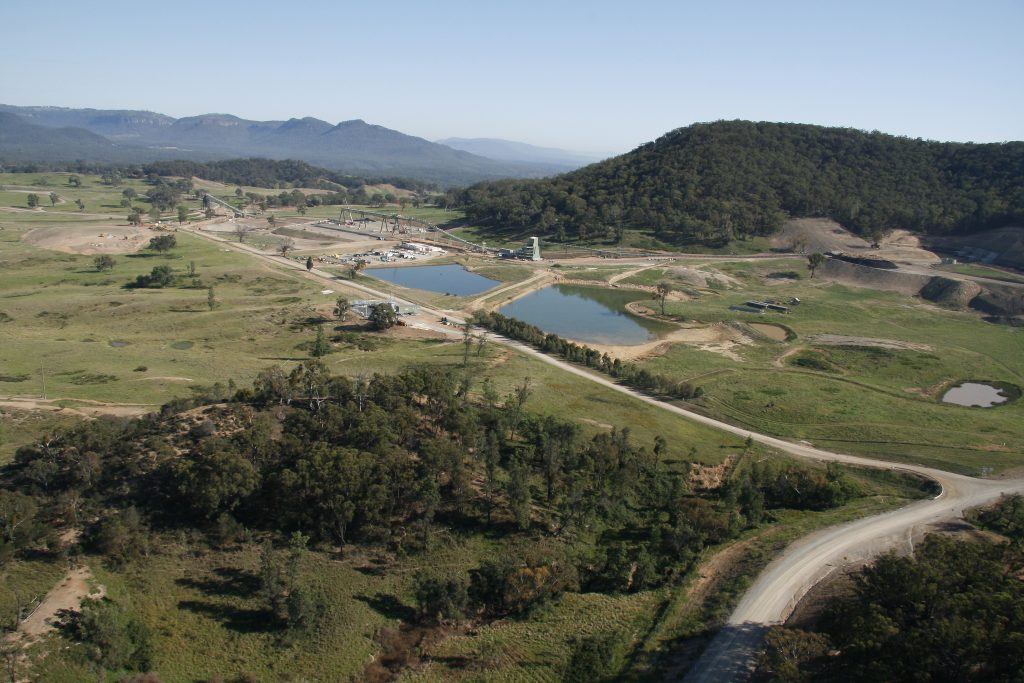
In the event of a tailings spill incident, sites are required to immediately activate spill response and emergency plans. Additionally, all incidents are reported and investigated following established procedures under environmental incident classification protocols to ensure timely mitigation and continuous improvement.
ดินจากการทำเหมือง
บริษัทฯ วางแผนจัดการดินจากการทำเหมืองร่วมกับแผนการทำเหมืองตั้งแต่ก่อนเริ่มกิจกรรมการผลิต โดยเริ่มจากการสำรวจสภาพทางธรณีวิทยาและศึกษาคุณสมบัติของดินเพื่อนำไปสร้างแบบจำลองและจำแนกประเภทของดินก่อนนำมาวิเคราะห์และประเมินความเสี่ยงที่อาจส่งผลกระทบต่อสิ่งแวดล้อม เพื่อเปิดหน้าดินในการทำเหมืองเท่าที่จำเป็นและถมดินกลับคืนในพื้นที่ (In-pit Backfill) ให้ได้มากที่สุด
ตะกอนดิน
บริษัทฯ จัดทำแผนการบริหารจัดการตะกอนดิน (Tailings Management Plan) โดยนำหลักการของการประเมินความเสี่ยงมาประยุกต์ใช้ตั้งแต่การเลือกพื้นที่จัดเก็บตะกอนดินจนถึงการคืนพื้นที่เมื่อสิ้นสุดโครงการควบคู่ไปกับการตรวจสอบและซ่อมบำรุงพื้นที่การจัดเก็บตะกอนดินโดยผู้เชี่ยวชาญภายนอกอย่างสม่ำเสมอ นอกจากนี้ในออสเตรเลียได้มีการจัดตั้งคณะกรรมการเพื่อกำหนดมาตรฐานและแนวทางในการตรวจติดตามพื้นที่จัดเก็บตะกอนดิน (Tailings Storage Facility) ทั้งนี้ แผนการบริหารจัดการตะกอนดินจะถูกทบทวนอย่างสม่ำเสมอ โดยเฉพาะอย่างยิ่งเมื่อแผนการทำเหมืองมีการเปลี่ยนแปลงอย่างมีนัยสำคัญ
การจัดการน้ำที่เป็นกรดจากการทำเหมือง
บริษัทฯ จัดทำมาตรฐานการจัดการน้ำที่เป็นกรดจากการทำเหมืองเพื่อใช้เป็นกรอบในการดำเนินงาน โดยผนวกการบริหารจัดการน้ำที่เป็นกรดเป็นส่วนหนึ่งในการดำเนินงานผ่านการประชุมแผนทำเหมืองเพื่อให้มั่นใจว่าการดำเนินงานจะมีประสิทธิภาพสูงสุด ทั้งนี้ในกรณีที่เกิดน้ำเป็นกรด น้ำดังกล่าวจะต้องได้รับการบำบัดให้มีคุณภาพผ่านมาตรฐานก่อนปล่อยออกสู่ภายนอกหรือก่อนการปิดเหมือง
ภาพรวมการดำเนินงานในรอบปี
In 2024, the Company strengthened waste management efforts by updating the Waste Policy and related manuals, as well as implementing several initiatives to improve efficiency. Key improvements included enhanced non-hazardous waste management in Indonesia to address significant waste impacts, renovation of slag handling system in China to boost resource recovery, and developing a process flow for underground mining operations in Australia to strengthen internal waste management and improve data collection accuracy. Additionally, new waste reduction targets for thermal power business in the U.S. were set.
 Thai
Thai  English