
Human Rights
Human Rights
Significance & Commitment
The Company adheres to the highest standards of human rights, strictly prohibiting any form of violence, discrimination, harassment, exploitation, or abuse within the operations. The Company recognizes a responsibility to respect the rights of individuals and acknowledge the potential impacts our actions may have on stakeholders. The Company commits to operating business strictly adhering to international frameworks based on the International Bill of Human Rights, the UN Guiding Principles on Business and Human Rights (UNGPs), ILO Declaration on Fundamental Principles and Rights at Work, the United Nations Global Compact (UNGC), OECD Due Diligence Guidelines for Responsible Business Conduct and applicable labor laws in all countries where we operate. The Company respects freedom, equality, and human dignity for all, regardless of gender, race, religion, ethnicity, or skin color. This respect extends across the value chain, covering employees, suppliers, contractors, customers, communities, and vulnerable groups, namely children, women, the disabled, indigenous peoples, migrant workers, and the elderly.
Management Approach
The Company consistently prioritizes and protects human rights across all business units and through our business relationships. Our commitment is demonstrated through numerous initiatives that uphold and maintain human dignity throughout our operations, productions, and services. We have embedded human rights into a management system, formulating comprehensive policies and conducting human rights due diligence to ensure our activities do not infringe upon the rights of individuals, communities, and stakeholders. Human rights principles are woven into all aspects of our operations and integrated into our decision-making processes, policies, and practices. The Company has established the human rights due diligence manual that serves as a framework for identifying, assessing, and mitigating human rights risks across our business supply chain. To support this commitment, we maintain various grievance mechanisms to address concerns from both internal and external stakeholders.
Human Rights Due Diligence
In alignment with the UN Guiding Principles on Business and Human Rights (UNGP), the Company has updated a comprehensive human rights due diligence manual. Human rights due diligence is a crucial process aimed at ceasing, preventing, and proactively managing potential and actual human rights risks and their impacts within our operations and relationships. We implement this process to uphold our commitment to ethical business practices and protect the rights of stakeholders affected by our operations. This manual provides a structured framework that includes identifying issues, assessing impacts, prioritizing risks, monitoring effectiveness, ensuring clear communication, providing grievance mechanisms, and implementing remediation measures.
The Company provides safe and accessible grievance mechanism channels for internal and external rights-holders or stakeholders to raise their concerns or complaints regarding potential human rights violations. In cases where a violation cannot be prevented, we are committed to providing appropriate remediation to affected individuals, which may include compensation, restitution, and rehabilitation. We aim to address the root causes of human rights violations and prevent future human rights risks from recurring.

Human Rights Principles in Banpu
Equality, Non-discrimination, and Security of Person
· Right to life, liberty, and security
· Right to equality, non-discrimination and inclusion
· Freedom from Violence, Conflict, Harassment and Bullying
· Freedom from Interference with Privacy
· Freedom from interference with privacy
· Right to complain
Labor Rights
· Prevention of human trafficking, force labor and child labor
· Freedom of association and rights to collective bargaining
· Occupational health and safety
Housing, Land Acquisition and the Environment
· Right to adequate housing and resettlement
· Right to relocation
· Right to a clean and healthy environment
Community and Cultural Rights
· Right to participate in the cultural life of community
· Respect indigenous people
Human Rights Training and Workshop
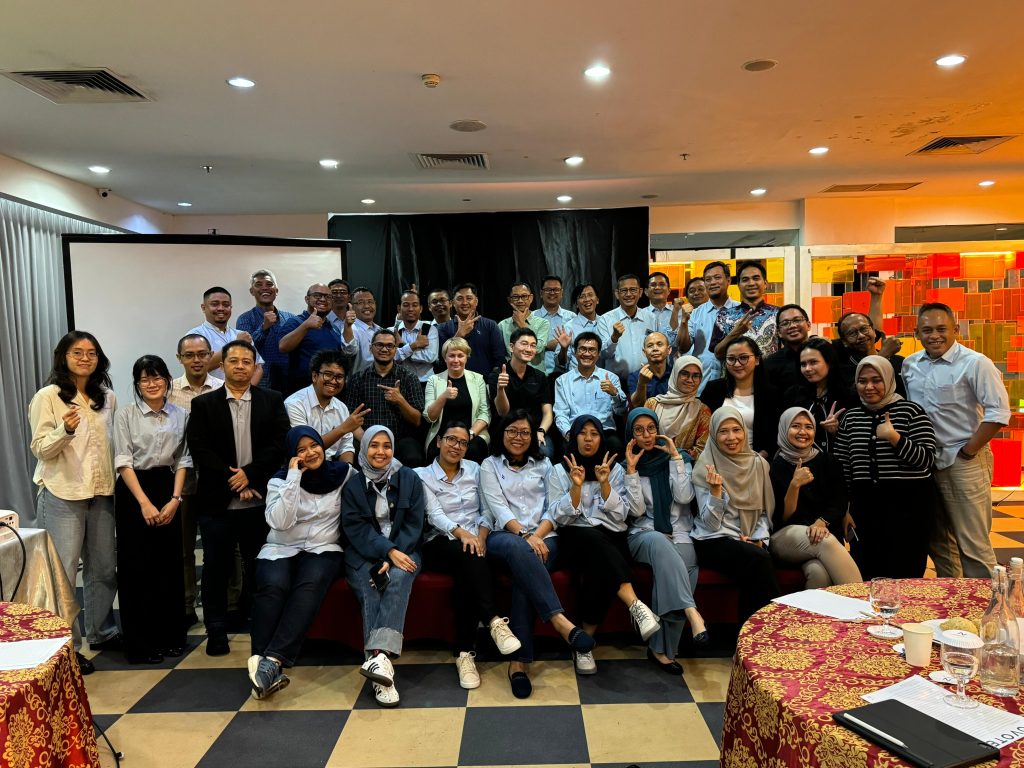
The Company has taken significant steps to improve human rights within our operations through comprehensive training and workshops. In training, our employees have developed a deep knowledge and understanding of human rights foundation, international standards, and their respective business roles. We then conducted workshops where key internal stakeholders collaborated to identify human rights issues in their specific operational and local contexts. This collaborative approach was essential for obtaining accurate and detailed information, which would then be used to assess and prioritize human rights risks across the Company’s operations. We integrate human rights into every aspect of our operations by fostering a culture of respect and responsibility, prioritizing inclusivity, and directly engaging with stakeholders in the communities where we operate.
Year in Review
In 2024, the Company conducted a comprehensive human rights risk assessment of the mining business in Indonesia. The findings revealed that while most identified human rights issues posed low to medium risks, 6 issues were classified as high-impact risks. In response, the Company proactively developed and implemented targeted mitigation plans to address potential adverse impacts and prevent recurring incidents.
Additionally, Banpu Australia, a subsidiary in Australia, published its third Modern Slavery Statement in 2024. This demonstrates our commitment to recognizing modern slavery risks that may occur both directly and indirectly across our supply chain. Following through risk assessments for its local and international suppliers, Banpu Australia determined that the risk of modern slavery violations within its supply chain was low.
 English
  Thai
Thai