
Environmental Stewardship Projects

Water-stress Areas Identification
Water-stressed area identification is one of the critical parts of the Company’s water risk assessment. In 2024, the assessment revealed that 41% of operating sites are located in areas classified as water-stressed. By understanding the specific risk associated with each location, the Company can strategically prioritize management plans to address potential water scarcity, ensuring the water use remains sustainable and safeguarding the local communities and ecosystems.
View More
IUCN Red List
Each year, the Company annually identifies the types of species that may inhabit areas surrounding the operations, alongside assessing the level of threat these species might face, particularly with reference to the IUCN Red List. This information forms the foundation for crafting strategies aimed at minimizing the impact of operations on local wildlife and ecosystems.
View More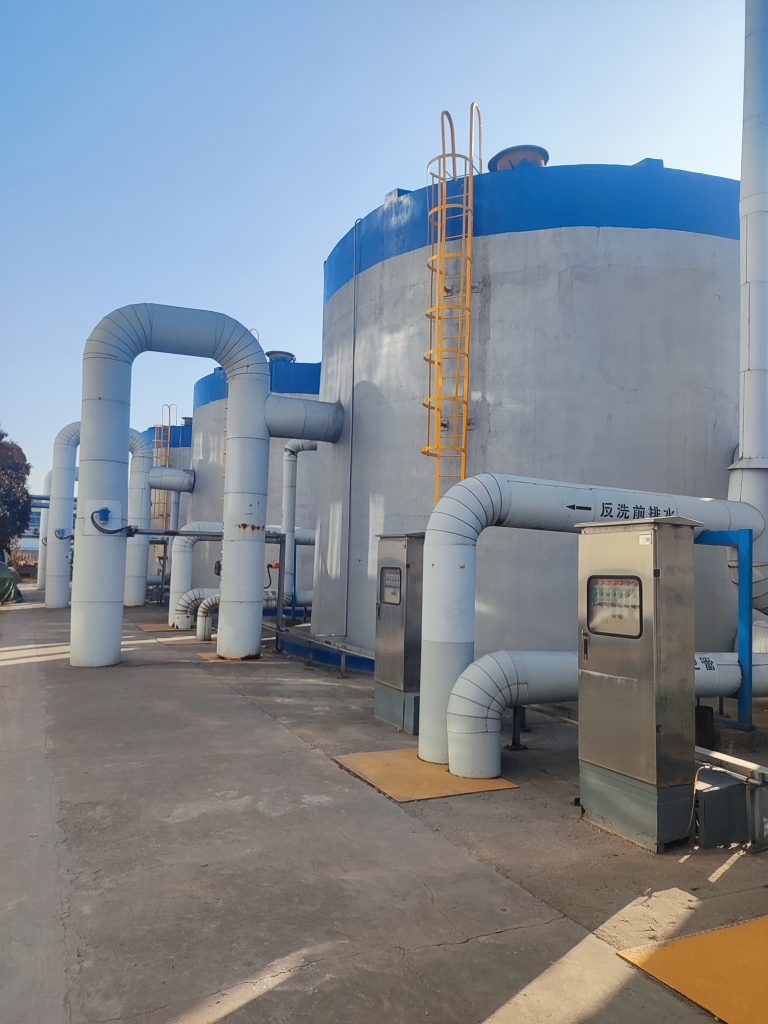
Water Treatment System Optimization in China
At Zouping power plant in China, the Company faced significant challenges due to high water consumption of demineralized water used as boiler feed water, coupled with bacterial colonies in the raw water that blocked membrane modules and reduced water treatment capacity by 15%.<br><br>To address these challenges, Zouping embarked on an initiative to optimize the water treatment processes. This involved the optimization of chemical agents and the expansion of water outlets. Extensive research was undertaken to identify the most effective chemical agents for wastewater treatment and alternative solutions for defluoridation systems. <br><br>Key Achievements from the Optimization Include:<br>· Increased recovery rate of reverses osmosis (RO) systems from 70.5% to 72.5%<br>· Extended cleaning cycle of RO units from 10 days to 50 days<br>· Prolonged service life of membrane elements doubled from 4 years to 8 years<br>· Saved approximately 56,000 tonnes of boiler feed water<br>· Saved USD 120,000 in operational and maintenance costs and additional USD 370,000 in defluoridation equipment costs
View More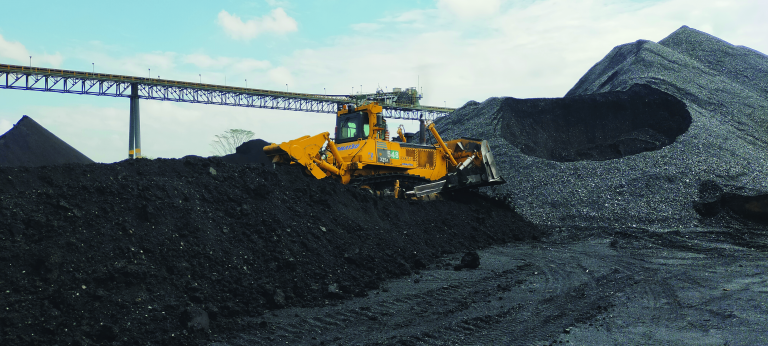
Coal Handling Optimization in Indonesia
At Bontang Coal Terminal (BoCT) in Indonesia, coal spillage along the ship loading process has been identified as a critical issue. This challenge not only leads to the port’s cleanliness but also poses environmental risks to the surrounding community and incures significant management costs. In response, BoCT embarked the “Reuse coal spillage project” by blending spilled coal back into the shipment.<br><br>This project kicks off with a comprehensive data collection utilizing a digital application. The execution phase ensures the careful integration of spillage coal back into the shipment process. This approach has led to a reduction of coal spillage dumping and conserved 4,386 tonnes of natural coal annually. Moreover, it has significantly reduced dust emissions and contamination in soil and water, thereby lowering community complaints. Financially, the project has delivered substantial economic advantages, generating additional coal revenue of USD 477,850 and reducing coal spillage management costs by USD 15,052 each year.
View More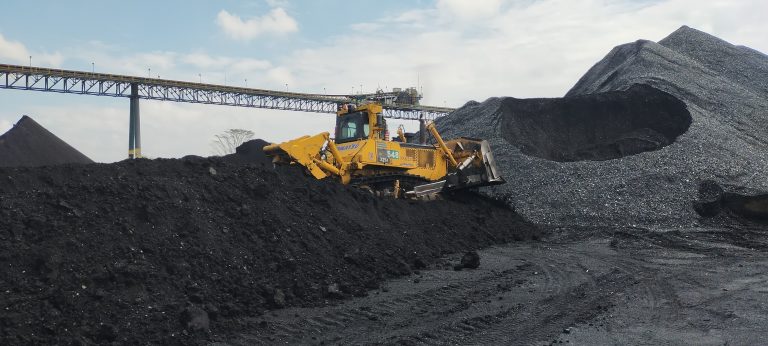
Minimize Waste to Landfill by Reusing as Alternative Fuel in China
In 2021, the rising coal price broke through historical record, and low-price coal could not be purchased in local market in China. To pursue this challenge, Zouping power plant looked for an opportunity to use non-coal fuel as raw materials in the power plant and found that characteristics and prices of some industrial wastes such as activated carbon in Zouping area are appropriate for burning. Trial burning of mixed coal and solid waste was conducted in a boiler to find appropriate types and amounts of solid wastes as well as blending ratios before extending to all boilers for mixed combustion test.<br><br>This conserved raw coal from burning and facilitated activated carbon disposal 9,337 tons in 2022. Moreover, in terms of social benefit, this enhanced customer satisfaction owing to positive contribution to guarantee the heat and power supply at high coal price condition as well as improved community satisfaction from facilitating industrial waste management, especially activated carbon in the area. Apart from those, the Company also earned economic benefit from saving coal burning cost and additional income from fly ash selling due to increasing of fly ash yield USD 5,775,468 as well as increased business agility and flexibility on high coal price situation.
View More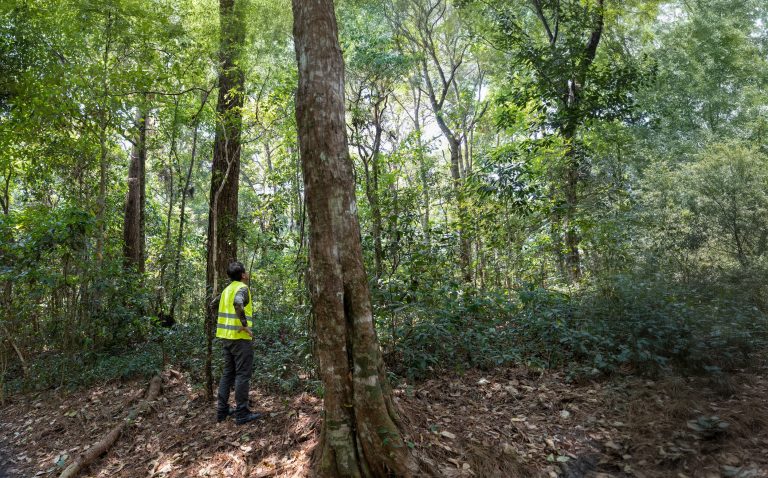
Biodiversity Impact Assessment
In 2024, through the biodiversity impact assessment process, the Company identified 4 operational sites and 1 project site classified as high potential biodiversity impact. For each of these 5 sites, the Company conducted biodiversity value assessment and subsequently developed the site-specific biodiversity management plans to mitigate risks.
View More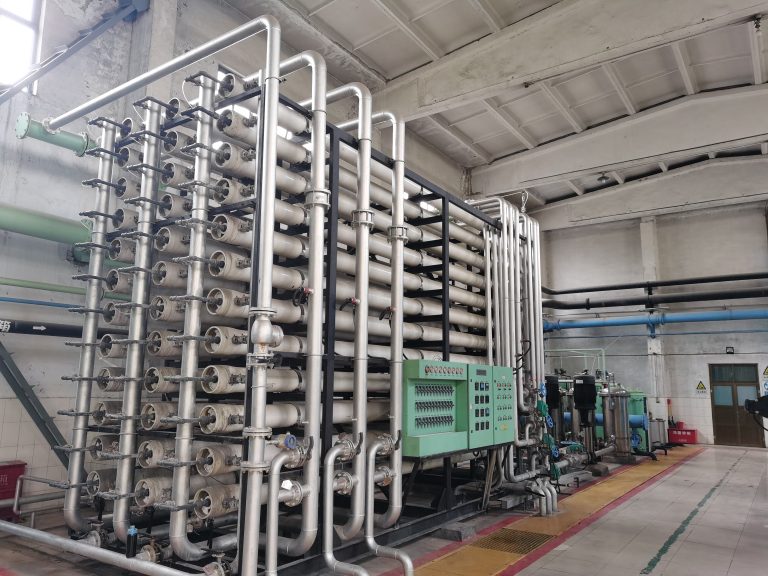
Water Reduction Initiative in China
Following the shutdown of groundwater wells, Zhengding Power Plant in China shifted its water source from groundwater to surface water, leading to increased water withdrawal costs. To optimize operations and reduce electricity generation costs, the plant launched an innovation program focused on reducing water consumption and recovering waste heat. This process involved internal workshops, water quality analysis, and project planning. As a result, the plant constructed the water recovery pipelines and installed pumps at the chemical plant and cooling tower to recirculate and reuse blowdown water within the operational process.
View More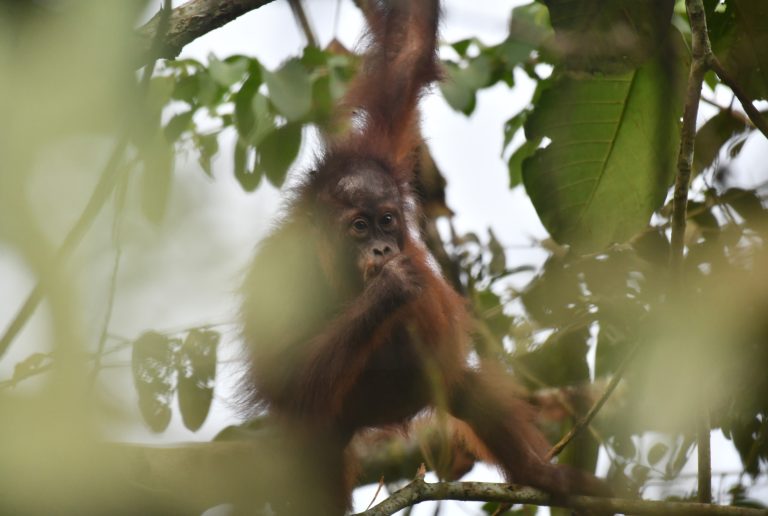
Arboretum 30 Gemilang and Arboretum Kanahuang Project
The Arboretum Project has been established by Indominco Mine in Indonesia. This project is a multi-functional initiative designed to enhance biodiversity conservation and provide additional value through scientific research, education, tourism, and recreational activities. The Indominco Arboretum is divided into several zones, each serving different functions.
View More
Digital Twins, The Booster of CHP Greener & Smarter
As operations at Luannan Power Plant became increasingly complex, leading to several issues. One of the challenges is that the heavy reliance on individual operator experience for adjusting operational parameters. To solve the issue, the Company collaborated with a technology firm to develop a comprehensive digital system utilizing Client, Edge, Cloud, Big Data, and AI technologies. This new system can enhance overall operational efficiency by optimizing oxygen level in the combustion process, enhancing boiler efficiency and significantly reducing emissions. Compared to 2022, air emissions loading was reduced by 17%, 19%, and 16% for NOX, SOX, and PM, respectively.
View More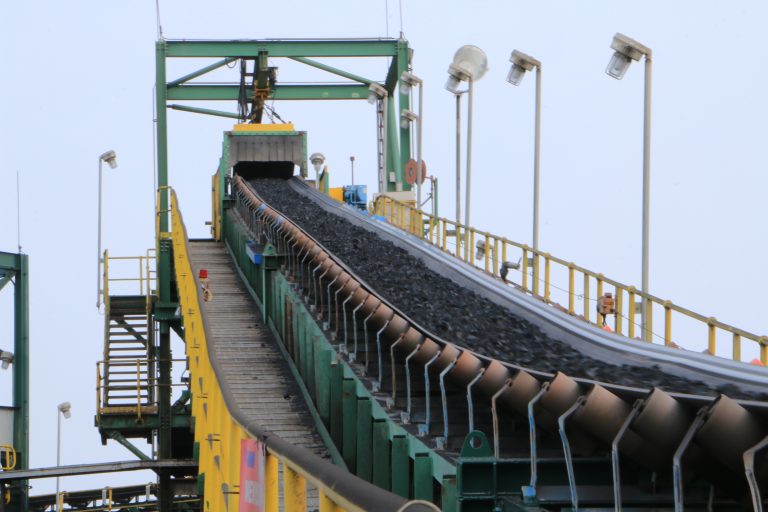
Waste Process Flow
Banpu has introduced the waste process flow framework that maps waste generation across the value chain: upstream, own operations, and downstream. This mapping identifies waste generation points and enables strategic planning to enhance circularity measures by identifying opportunities for waste prevention. Potential waste is basically reused, recycled, or recovered as secondary material. Residual waste is properly treated or disposed by incineration, qualified landfill and other disposal methods.
View More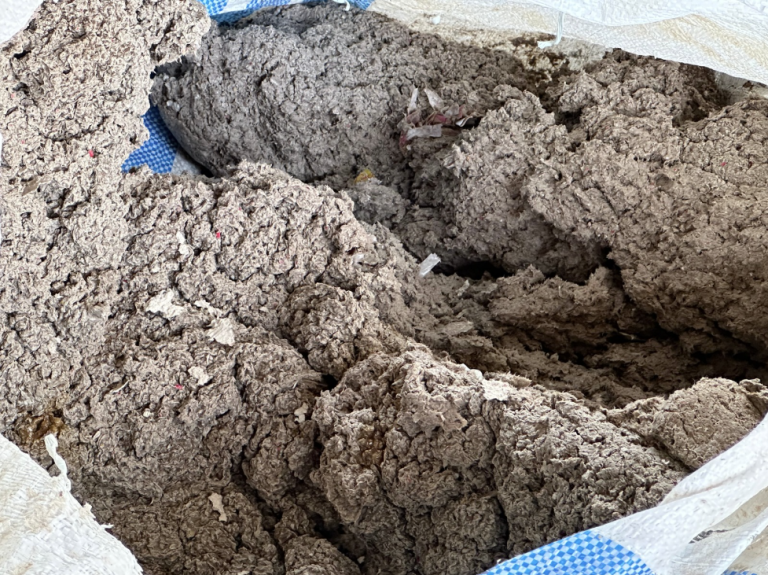
Waste-to-Product Initiative in Indonesia
In response to challenges in offsite landfill of non-hazardous waste at Jorong Mine, the Company initiated the Waste-to-Product Projects by integrating 3R principles (Reduce, Reuse, Recycle) to transform different waste streams into valuable products and reduce landfill dependency. Initiatives included converting paper and plastic waste into construction materials, using food waste and used cooking oil for fertilizer and soap production. Additionally, new facilities were built to support waste management operations.
View More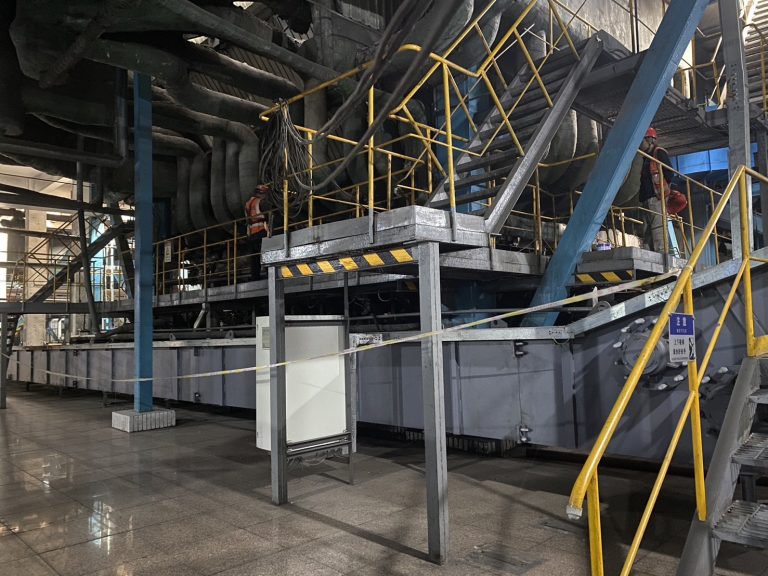
Slag Handling Renovation in China
Zouping Power Plant faced challenges managing slag and wastewater due to inefficient transportation and treatment processes. The long distance between boilers and dewatering bins, along with the need for multiples supporting equipment, resulted in high power consumption, increased labor demands, substantial maintenance costs, and risks of wastewater leakage. To address these issues and improve slag treatment efficiency, the plant constructed a new slag silo located between the boilers to mitigate storage constraints and reduce transportation distance. In addition, the slag conveyor system was upgraded to transport and dewater slag simultaneously.
View More
Water Flow Diagram
To enhance performance effectiveness and build stakeholder confidence in water accounting, the Company has developed a water flow diagram for each business unit. These diagrams provide a clear and transparent view of the entire water lifecycle within operations, including tracing water from its withdrawal sources through consumption activities to its final discharge destinations. This structured approach helps ensure accuracy in water reporting, supports internal management, and strengthens external trust in the Company’s water stewardship practices.
View More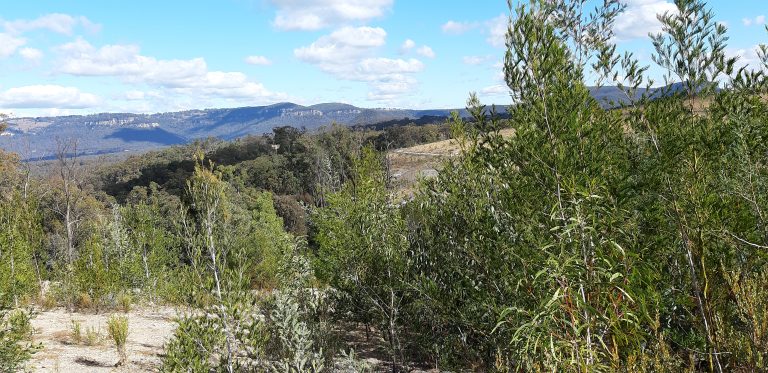
Biodiversity Management Plan in Australia
The site-specific BMP is a sub-plan of the Northern Region BMP, which all underground mine sites are required to develop based on regulatory requirements and the mitigation hierarchy. The baseline data have been collected since the pre-operational phase, covering both terrestrial and aquatic ecology. This includes ecological communities, threatened ecological communities, habitat values, groundwater dependent, threatened flora and fauna species, and riparian areas.
View More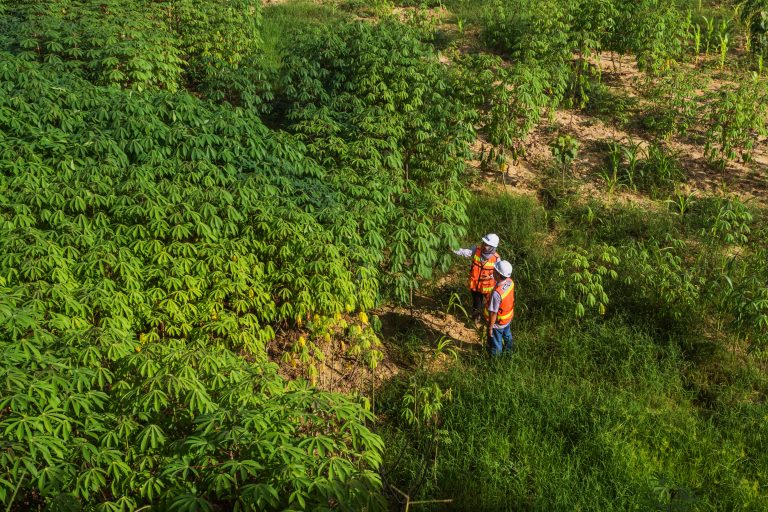
Biodiversity Management Plan in Indonesia
All open-pit mine sites are required to develop a site-specific Biodiversity Management Plan (BMP) based on national regulatory requirements and mitigation hierarchy. The targets of these plans are developed in the form of biodiversity index achievement, ecosystem health ratings, and variety of local plant species in the reclamation area.
View More English
  Thai
Thai