

Responsible & Resilient Supply Chain Projects
Spending Analysis
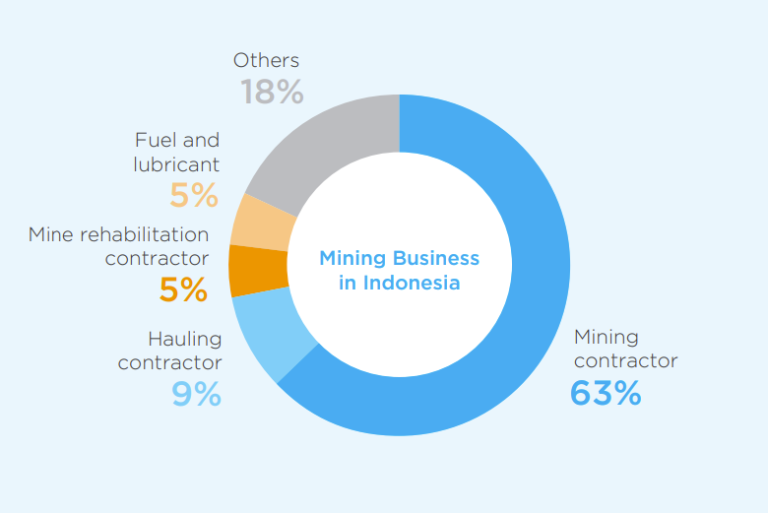
The spending analysis has been performed in each country to understand the distribution of expenses within different sectors. From the history records, analysis revealed that 63% of spending in Indonesia is directed towards mining contractors. While in China, 77% of spending is utilized for coal as an energy source.
View More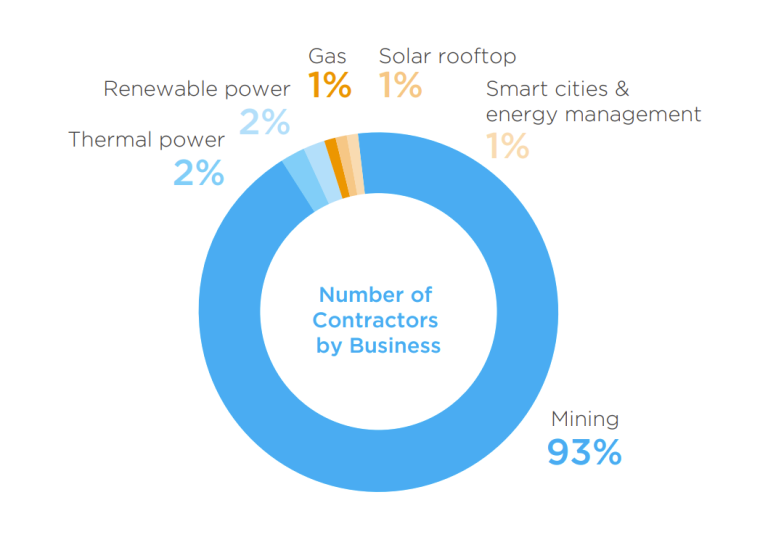
Common Types of Contractors
The Company has a systematic approach to classifying workers who are not employees. This classification encompasses all workers engaged with the Company, primarily the contractors.<br>Referring to the standards, the number of contractors is counted by headcount. However, there are specific exceptions in mining business in Australia and renewable power business in Japan, where full-time equivalent (FTE) is employed for tracking.
View More
ESG Integration in Supplier Screening and Selection
The Company has integrated ESG criteria into the supplier screening and selection process. The standard has been developed and deployed across the organizations. This standard outlines the flow process seamlessly from initial engagement with suppliers to the final awarding of contracts.<br>Building upon existing practices, the Company has streamlined the pre-qualification form. The criteria include social aspects such as health & safety and community impact, environmental aspects such as waste management, and governance aspects such as business ethics. While a self-assessment questionnaire serves as a tool for suppliers to evaluate their ESG performance, with scores evaluated based on evidence-supported responses.<br>Simultaneously, the development of supplier ESG assessment standard is underway. This standard is crucial for identifying any significant actual or potential negative impacts that may arise during work and providing a basis for improvements. This is essential for the Company to identify, monitor, and address impacts throughout the entire supply chain.<br>
View More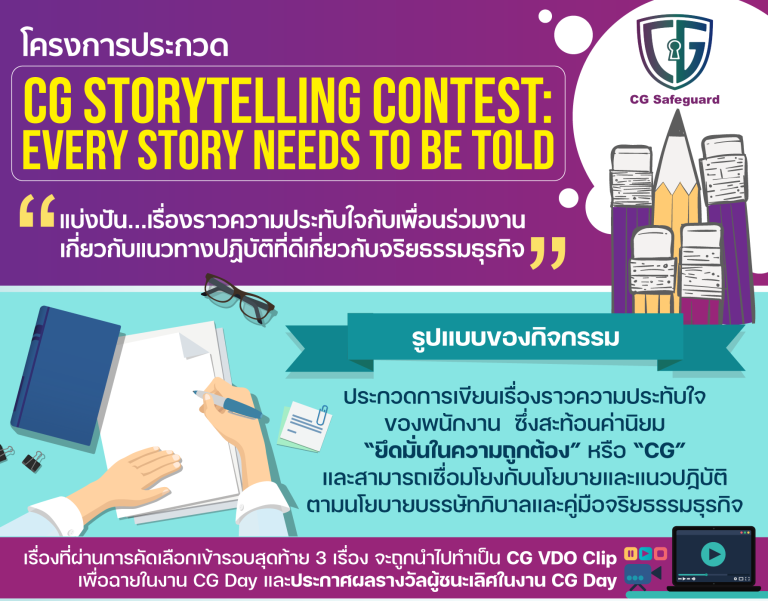
CG Storytelling Contest
The CG Storytelling Contest, themed "Every Story Needs to Be Told," is an innovative approach to deepen employee engagement with corporate governance (CG) best practices. Participants are invited to share their experiences and impressions of colleagues who embody these principles, highlighting real-life examples of integrity and ethical conduct across the Company. The top three stories, celebrated for their inspiration, will be brought to life through video clips and showcased on CG Day.
View More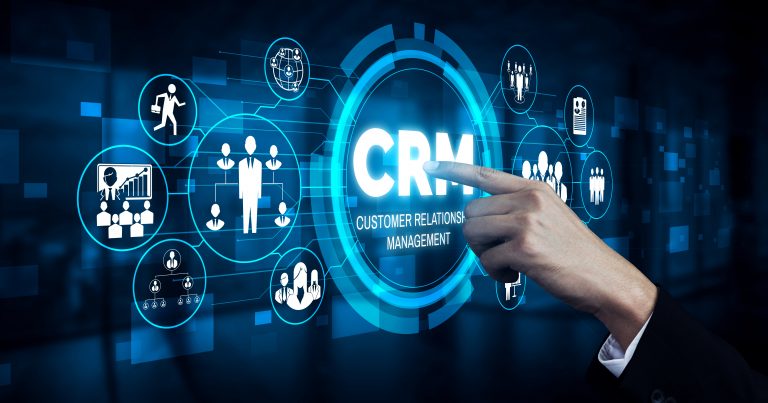
Customer Relationship Management
While the customer satisfaction survey is regularly conducted, the Company tailors customer relations approach to stay aligned with customer’s thoughts and expectations in each business context. In practice, the approach varies from detailed satisfaction surveys to on-site visits, and from sharing know-how to providing quarterly updates and hosting open houses.
View More
Three Lines of Defense in Compliance Management
To ensure the effectiveness of compliance risk management, the Company has adopted three lines of defense practice. This model structures the roles and responsibilities across the organization to ensure comprehensive oversight and control.<br><br>First Line: Operational departments, which are at the forefront of daily business operations ensure that operations are conducted without being exposed to unnecessary risks by adhering strictly to the policies and guidelines.<br><br>Second Line: Compliance department, which plays an important role in strengthening business units by formulating and assessing policies to align with both laws & regulations and organizational objectives. Besides, when any business concerns arise, the compliance team collaborates closely with the legal department to provide advice for execution.<br><br>Third Line: Internal audit function, which provides an independent assessment of the performance of both the first and second lines, ensuring all business processes are functioning effectively. The Audit Committee oversees this function to ensure alignment with best practices and regulatory requirements.<br><br>In addition, the compliance department promotes awareness and alignment with laws and regulations, fostering a culture of adherence to both internal policies and external regulations.
View More
Management System Certification
The Company maintains environmental and occupational health and safety (OHS) management systems across all business units, with annual internal audits conducted by specialists from headquarters. In addition, the Company engages third parties to conduct independent assessments in selected business units. These certifications are in accordance with ISO 14001: 2015 for environmental management and ISO 45001:2018 for OHS management.
View More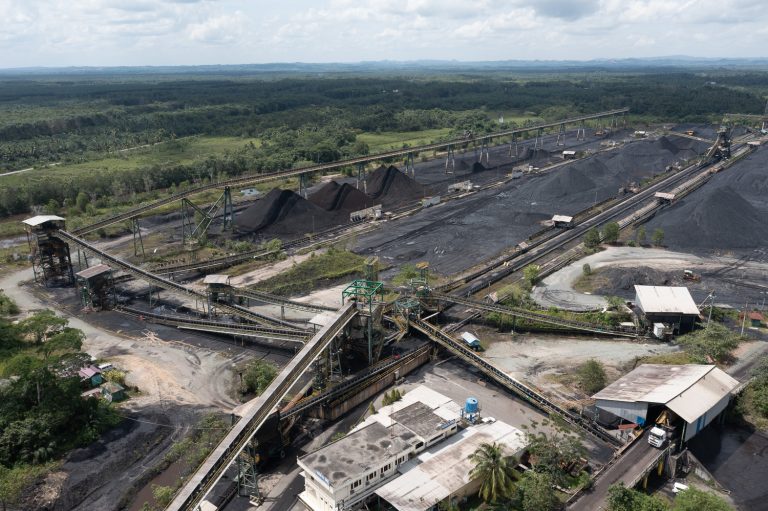
Customer Satisfaction Survey at Mining Business
In 2024, the Company conducted a customer satisfaction survey with the coal customers. The feedback was overwhelmingly positive, showcasing high satisfaction with the quality of coal, professionalism, and the level of engagement from the Company. The customers also emphasized the importance of continually enhancing products and services. This valuable feedback affirms the Company’s commitment to being a reliable and responsible supplier.
View More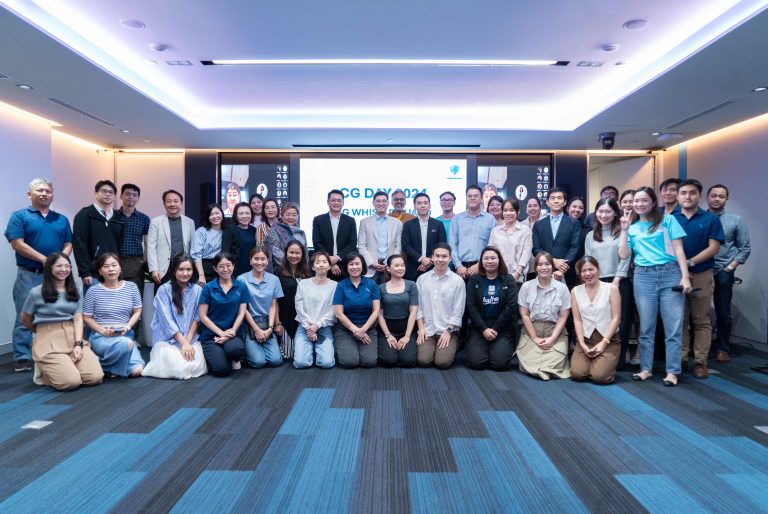
CG Day 2024
CG Day 2024 was held to promote corporate governance awareness and reinforce the “Adhere to Integrity and Ethics” behaviors among employees at all levels. Designed as a hybrid event, the format reflected Banpu’s commitment to inclusivity and adaptability to modern work practices. Highlights activities included a vision-sharing session by senior management and a keynote address by Asst. Prof. Dr. Torplus Yomnak on the theme “Strengthening Integrity: Anti-Corruption Reform for Effective Governance.” The event aligned closely with the Company’s core values, inspiring employees to embrace ethical conduct as an essential foundation of Banpu’s long-term success.
View More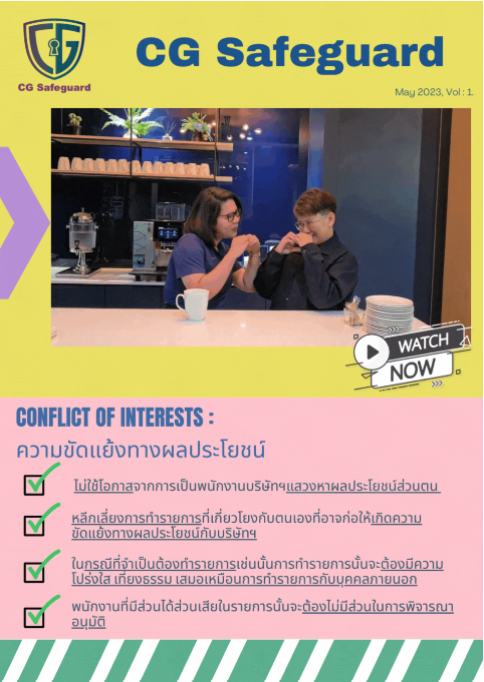
CG Focus Article
"CG Focus" is a featured section in “Banpu Synergy E-Magazine”, a quarterly e-journal reaching employees across all countries where the Company operates. These articles shine a light on CG best practices within the organization and share updates on the updates on CG progress in order to foster understanding and awareness among the employees.
View MoreManagement of ESG Risk
Home > Highlight Projects > Responsible & Resilient Supply Chain > Management of ESG Risk Management of ESG Risk Business Ethics & Transparency Societal Economic Environment Risk Item Human Capital Capability Cybersecurity & Personal Data Protection Climate Change Risk Appetite • Commit to maintaining a sufficient leadership pipeline for all N-1 and critical N-2 positions. […]
View MoreManagement of Emerging Risks
Home > Highlight Projects > Responsible & Resilient Supply Chain > Management of Emerging Risks Management of Emerging Risks Business Ethics & Transparency Risk of competitive disadvantages arising from advancements in Artificial Intelligence (AI) Risk of economic downturn affecting the achievement of ESG goals Category Economic Environment Description The rapid evolution of Artificial Intelligence (AI) […]
View More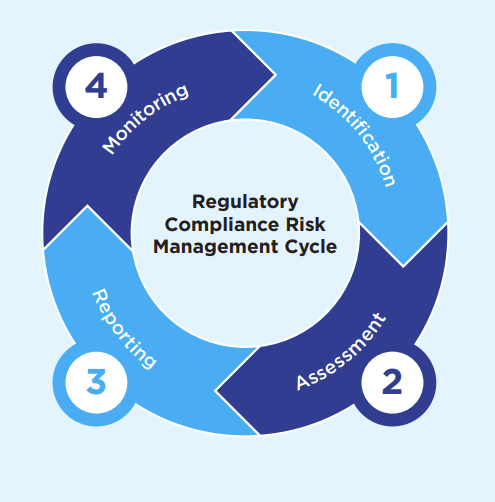
Regulatory Compliance Management
Banpu manages regulatory compliance risk through a structured process known as the “Regulatory Compliance Risk Management Cycle,” aligned with ISO 37301:2021. The Cycle consists of 4 elements.
View MoreBoard Expertise in ESG Risk Management
The Board and the ESG Committee comprise members with diverse and extensive expertise in managing ESG risks, derived from diverse backgrounds in governance, environmental, and corporate social responsibility. Their experience provides the Company with the strategic oversight necessary to navigate complex ESG challenges and drive sustainability initiatives.
View MorePublic Policy Influence
To demonstrate transparency and accountability in engagement with public policy and industry advocacy, the Company discloses all monetary contributions made to political campaigns, lobbying efforts, trade associations, and other relevant groups whose primary role is to influence legislation or political outcomes. In 2024, the Company allocated a total of USD 413,000 to organizations whose primary role is to influence public policy or legislative activities. This includes USD 7,000 for lobbying and interest representation, and USD 406,000 in membership fees and contributions to trade associations and tax-exempt groups such as industry associations and chambers of commerce. No contributions were made to political parties, political campaigns, or other political interest groups, and no expenses were incurred for the setup or operation of Political Action Committees (PACs).
View MoreEconomic Value Distribution
The Company is committed to generating and distributing economic value to stakeholders through various channels. These efforts ensure sustainable growth, foster innovation, and contribute to long-term profitability. By doing so, Banpu ensures that our success is shared across the value chain and reinforces our role as a responsible corporate citizen. The key channels through which economic value is distributed include operating costs to suppliers & contractors, remuneration and other benefits provided to employees, interest and financial expenses to financial institutions, royalty fees and taxes paid to the government, and community development expenses supporting local communities.
View More
CG Whistle Guard
Banpu launched the “CG Whistle Guard” initiative to strengthen employee awareness and engagement around corporate governance. Designed as a communication framework, this initiative supports key activities, including internal email campaigns, communication channels, and CG Day events. It specifically promotes understanding of the Whistleblower Policy as a key mechanism to prevent misconduct and reinforce the broader impact of ethical behavior in safeguarding the Company’s integrity and employee trust.
View More
ESG Integration in Supplier Selection and Evaluation
The Company has embedded ESG criteria into the supplier selection and evaluation process to ensure that all suppliers operate in alignment with ESG principles. These ESG standards reinforce the Company’s commitment to sustainable procurement, while also mitigating supply chain risks.<br><br>Two key standards are being established: ESG in Supplier Selection and ESG in Supplier Evaluation. Each standard includes a structured checklist that suppliers must complete to assess their ESG compliance before engagement and after service delivery. The results from these assessments will play a crucial role in future procurement decisions, ensuring that suppliers continuously uphold responsible and sustainable practices.
View More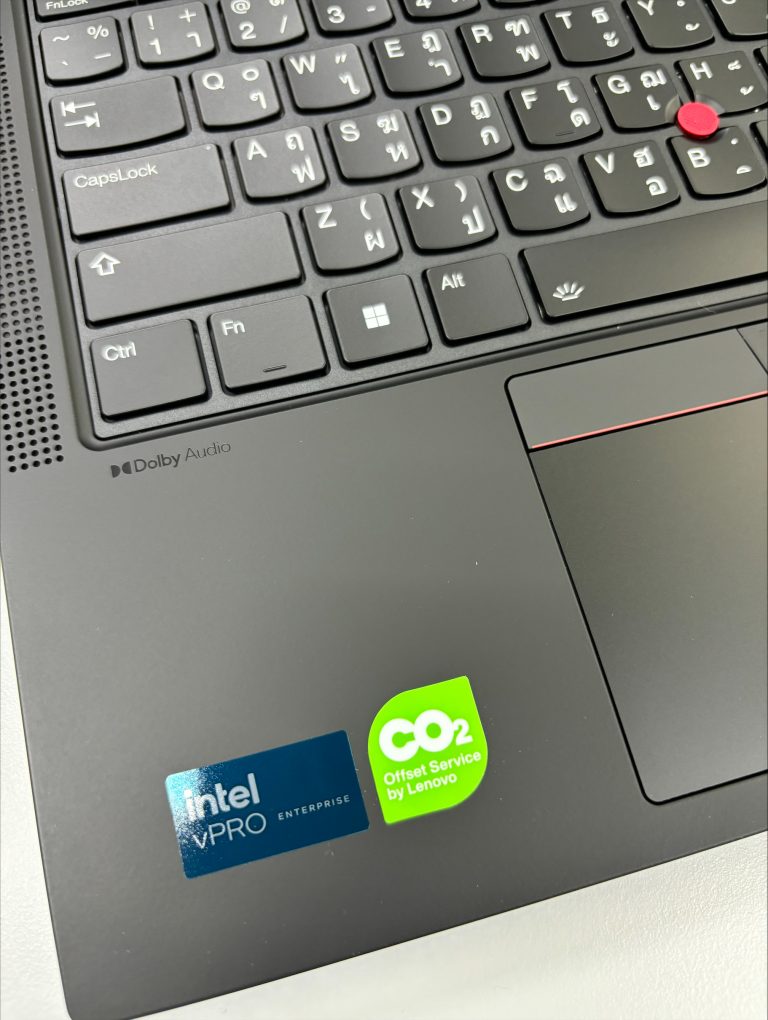
Sustainable Procurement: Reducing Waste and Carbon Footprints
At Banpu, sustainability is at the heart of our procurement strategy. We carefully select suppliers and products that align with our environmental goals, such as reducing waste and minimizing carbon footprints.<br><br>A prime example is our partnership with Lenovo, which has successfully reduced packaging waste by over 70%, demonstrating a strong commitment to sustainability. In line with this, we prioritize efficient bulk packaging, such as packing multiple laptops in a single box, to minimize material use and transportation. In addition, we also select products with a CO2 Offset Service label, supporting climate action projects like reforestation and renewable energy. In 2024, we piloted this new bulk packaging approach with an initial batch of 158 units.<br><br>Through initiatives like these, Banpu is leading by example, making smarter procurement decisions that reduce waste, support climate action, and contribute to a more sustainable future.
View More English
  Thai
Thai